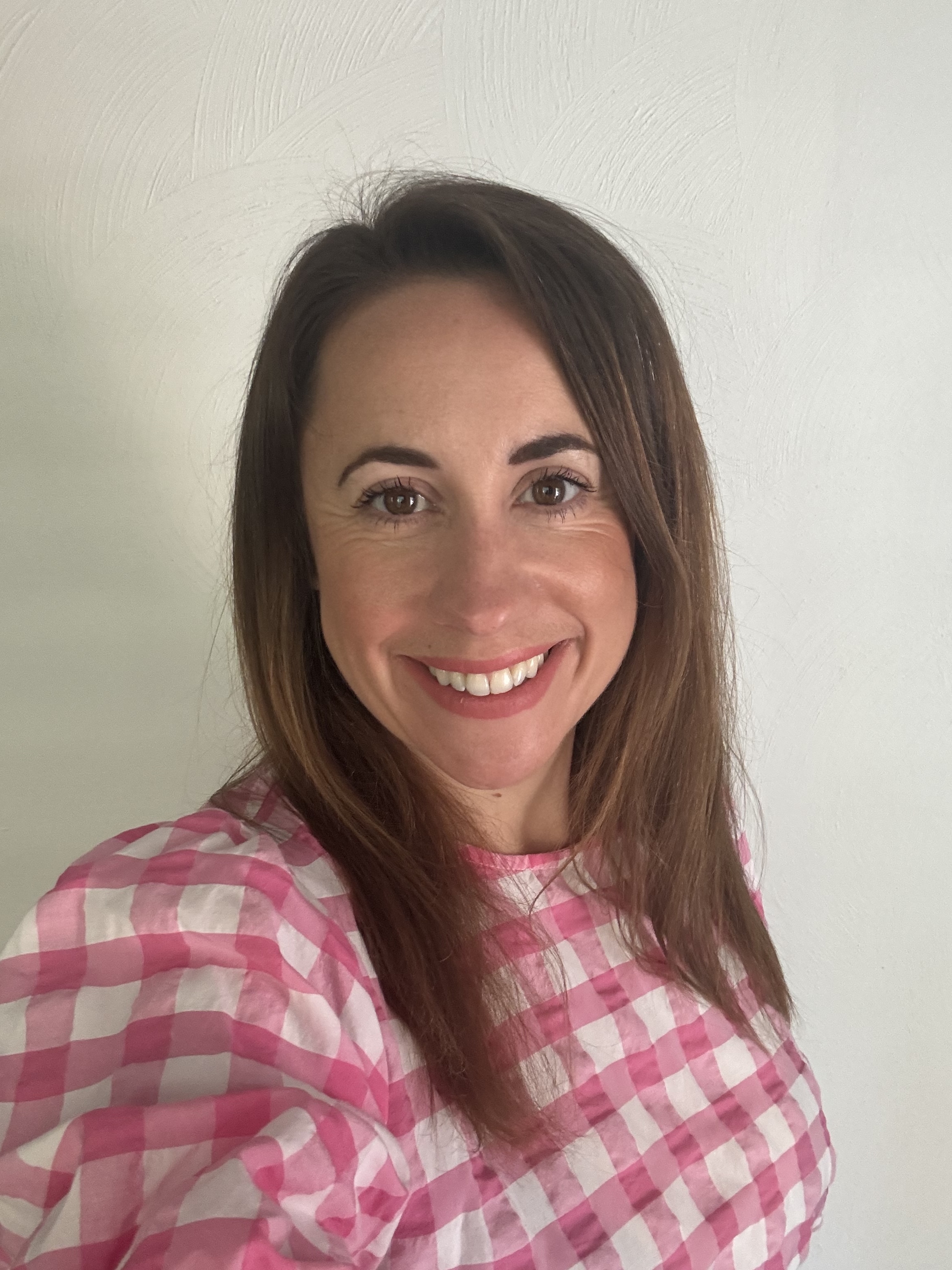
Hi, I'm Jo. I've spent 15 years in education, teaching across different age groups and working as a subject lead and senior leader.
It was the end of the summer term, 2022. I was back at work following maternity leave, standing on the school field at the summer fayre, sunglasses on, convinced my allergies had flared up. I had no idea my body was telling me something else entirely.
A week later, I was covered in hives and my eczema was terrible. I sought advice from a medical professional who asked me to explain my current life situation, and from there he told me clearly. My body was reacting to burnout.
So, I know first hand what it feels like to be showing up but running on empty.
Putting yourself first in a profession like teaching doesn't feel natural. But I also know that when you invest in your own wellbeing, everything changes including, how you feel in the classroom, how you show up for your family and how sustainable your career becomes.
That's why I trained as a Positive Psychology Coach. And that's why I built Grow YOU Wellbeing, specifically for people like you.
If you're surviving the school day rather than thriving in it, you're in the right place.